Ikos Magazine 2026

Greek by choice

Explore

arrow-down.png
arrow-down.png

Swipe to explore

Date  | 

Tagged  | 

twitter
instagram
fb-share

Multi-million copy bestselling author of ten novels, including The Island, Victoria Hislop has built a body of work translated into more than forty languages.
An honorary Greek citizen, she divides her time between England and Greece, maintaining a long-standing connection to Crete. In conversation with her, we explore the place she calls home, her life between two cultures, and her active role in the campaign to reunite the Parthenon Marbles.

A STORY BY KOSTIS ZAFEIRAKIS

CAPTURED BY HARIS MAVROGENIS

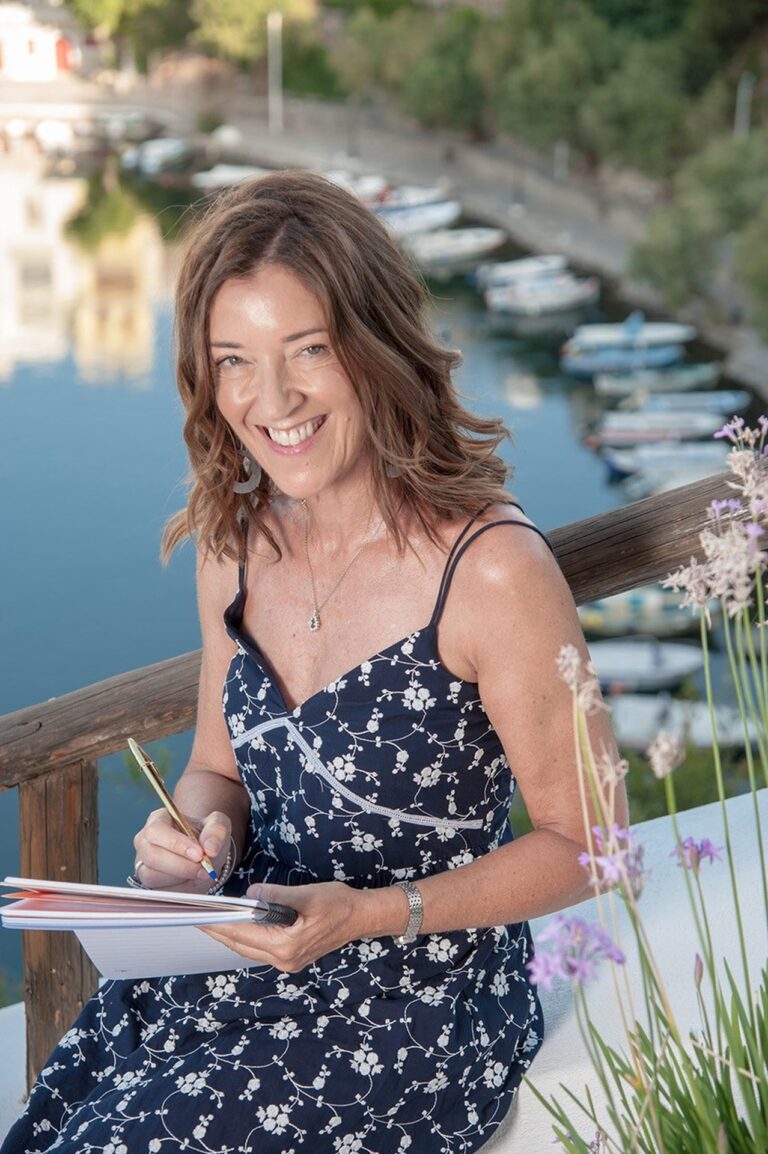
Small, simple rituals shape how we perceive those whose work we admire. Behind the “global bestselling author” label, Victoria Hislop is also a mother, wife, and traveller; British and Greek; an ardent supporter of the return of the Parthenon Marbles. Above all, she is a storyteller who inhabits her characters’ and readers’ souls.

Our conversation with Victoria Hislop centres on her deep connection to Greece and, most of all, to her true home: Agios Nikolaos in Crete. The discussion highlights how this place shapes her life, illuminating personal traditions such as her farewell ritual to “Agios,” as the locals call it.

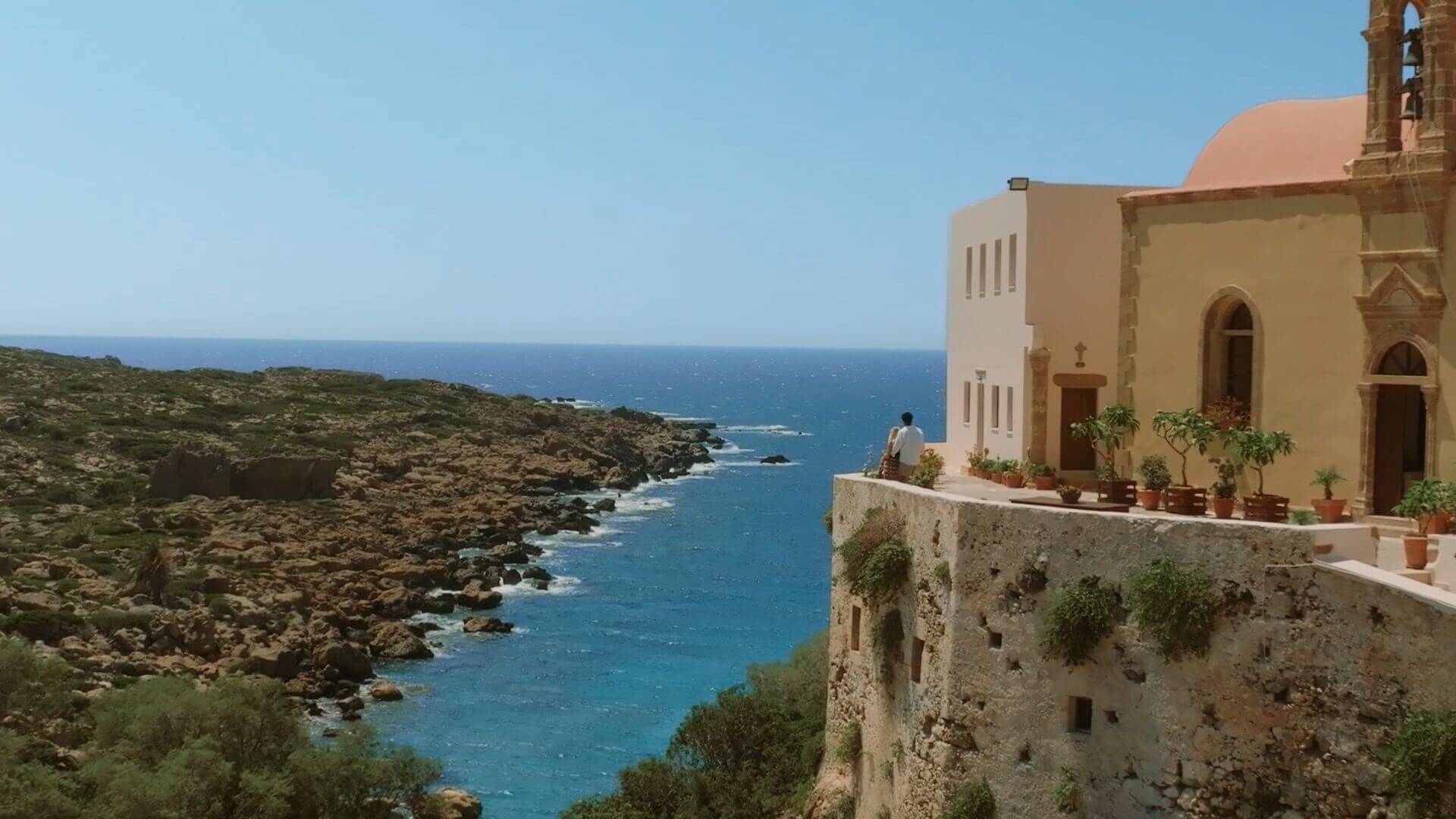
“I have a special place close to the house that I go to for a few seconds. I can see the sea from there, and I go and say ‘thank you’ –to nature, the sky, the sea, and the universe, I suppose. I always feel really sad at that moment as I say farewell. But I never leave without knowing when I will return. It’s a very sentimental moment for me and a very special place generally.”

After nearly twenty years of living in Crete, many locals consider you one of their own. You even hold Greek citizenship. What are your days and nights like in Agios Nikolaos? Do you have any favourite habits or close friendships there?

I have many close friendships in Crete; sometimes I think more than in London. What’s special here in Crete (where I am writing this) is that you can make spontaneous plans. In London, you have to book any social plans, usually a month ahead. That’s unheard of in Greece. And I much prefer this Greek lifestyle habit.

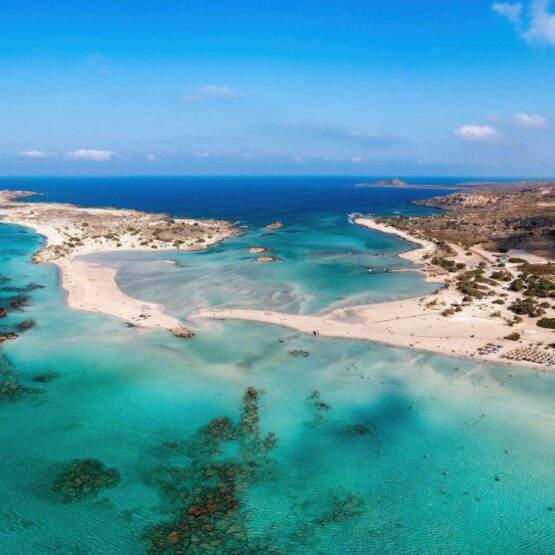
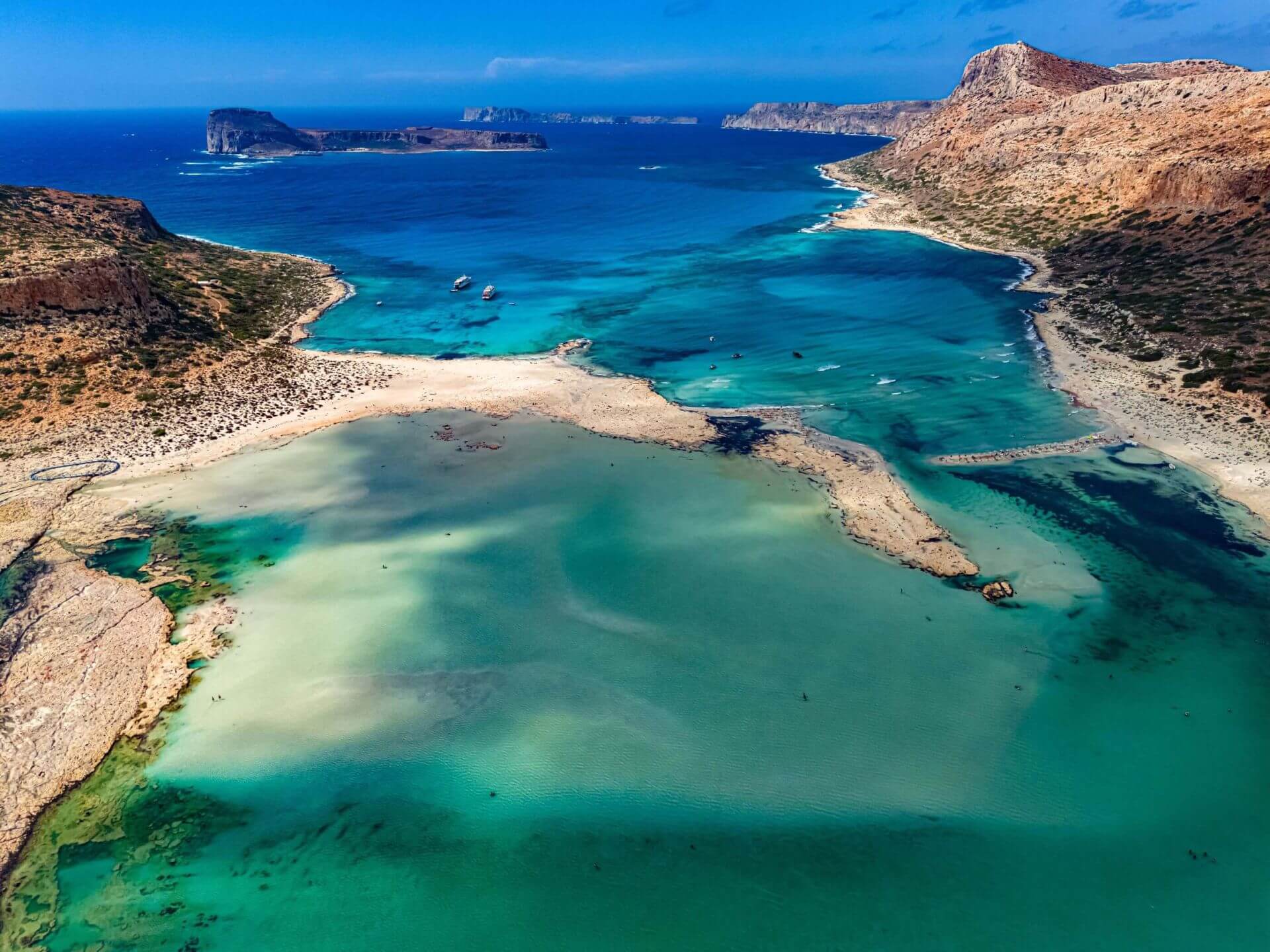
 So, a typical day in Agios… Wake up and listen to the radio, go for an early morning swim on one of the many incredible sandy and beautiful beaches (Panteleimon or Ammoudara usually), drink coffee, usually spend the rest of the day writing or researching/reading, and then another swim (I am addicted to the sea), a shower and then off to Agios Nikolaos or Mochlos to meet friends.

Somehow, many of the English friends who came to visit us have ended up buying property nearby. So, sometimes it will be an “English” night, but more often an evening with Greek friends, with food and parea (meaning group of friends in Greek). When there is a music event, I never miss it. Giannis Haroulis comes from a village near me, and every year does a huge event very close by. It’s totally magical. Always the best night of the summer.

How has Crete influenced your character and emotional world? How do you balance your British identity with your Cretan side?

I think the spontaneity is very Greek, and that has definitely influenced me. I am less patient with some British habits, such as never talking to strangers, planning dinner a month in advance, and so on. Someone now says to me in London, “Would you like to meet in two weeks?” and I generally say, “No thanks. How do I know that I will feel like it?” whereas in Crete I just say, “Yes, see you later.” For sure, I am more open to emotions now. And I think I sometimes surprise people with how direct I am. That’s definitely a Greek influence.

What kind of relationship do your husband and children have with Crete?

It’s a different relationship from mine, but they all really love it, and we spend some of the summer here together. With my son, we speak a kind of “mother-son” Greek, so he plays-acts as the dutiful, slightly “under the thumb” son, and I play-act as the mother, checking on his health, whether he has eaten properly, and so on. And we say it all in Greek. We always end up laughing a lot.

My children had their first taste of freedom in Agios Nikolaos, going to clubs as teenagers, which we would never have allowed them to do in London. They have really happy memories of doing that and dancing until dawn. And it was very safe. They have friends here, too – and the joke is that I wanted them to marry Greeks. Crete is a wonderful place, and all four of us have introduced many friends to it over the years and spread the love to everyone who comes.

Is there a Greek poet you particularly love? 

Cavafy and his poem Ithaka; it’s simply the wisest piece of writing of any kind I have ever come across. Even now, I am not sure it exactly matches or reflects how I see life. To me, the message of this poem is “Enjoy what is happening now, and don’t always imagine something is coming at the end that is greater than the here and now.” At least, that is my interpretation. 

Which five Greeks (past or present) would you invite to dinner at your home, and why? 

Bouboulina. I think she would be terrifying and wonderful. 

Melina Mercouri. She would be clever, funny, and bold in conversation – though I would make her go outside to smoke. 

Giorgos and Anna Dalaras. I am addicted to listening to Giorgos, and I think Anna inspires him a lot, so I would definitely want her to be there as well. 

Nikos Stampoulidis, the Director of the Acropolis Museum. He is a visionary, an intellectual, and a poetic soul. 

I don’t know about Bouboulina’s musicality, but the evening would definitely inspire songs and music, lyrics by Nikos (me too perhaps). Maybe we would write a whole musical about Bouboulina. We would eat my spanakopita (spinach pie) and drink chilled Assyrtiko. I think it would be an unforgettable evening. 

What is your greatest fear? 

That something bad might happen to either of my children. That fills me with real dread. 

What is a thought or wish you make every year on your birthday? 

I am always in Crete for my birthday! That’s non-negotiable. And I either invite friends round, or we go to a taverna. Every year my wish is to be in Crete next year! “Kai tou chronou” is always my hope. 

Why did you choose Chios as the setting for your new novel? What is it about, and is the central character once again a woman? 

Chios was full of unexpected inspiration for me. I had no idea before I went there to speak at a festival what a rich experience it would be. It is steeped in history and contrasts: an amazing landscape, these strange, unique trees, an old leprosy hospital, the wealth of ship-owning families, an abandoned village, and stories of massacre and earthquake. 

It has gone through so much devastation and come back to life; it’s impossible to imagine how that happens. And yes, my heroine, Fotini, is the central character. She goes to extremes of suffering and finds her way back again, rather like Chios itself. 

Flip through the full magazine